SMALL BY DESIGN
A maximum of 5 learners and a 1:3 learner-to-teacher ratio
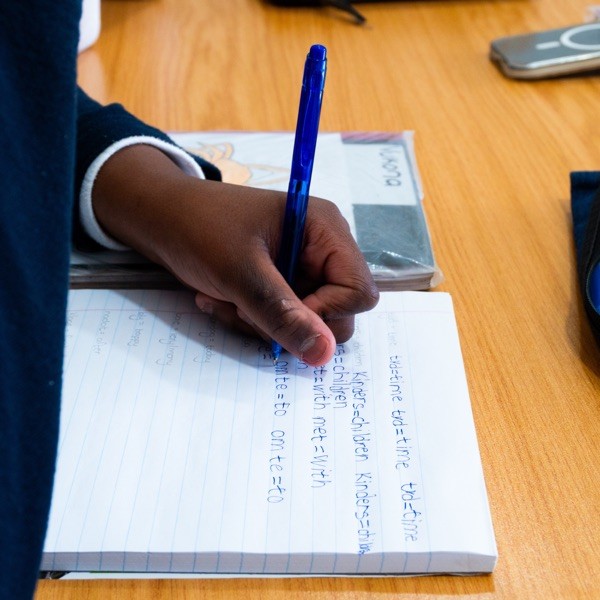
Our High Support Learning classroom will accommodate no more than five learners, with a maximum 1:3 learner-to-teacher ratio.
5
Learners in the classroom, at most
1:3
Maximum learner-to-teacher ratio

OUR APPROACH
Learning built around the individual child
There is no expectation for every child in the classroom to be working at the same level or towards the same goals. Learners will be given the time, repetition, support and opportunities they need to develop skills meaningfully, without being rushed to meet arbitrary age-based timelines.
Each learner will follow a fully individualised learning plan based on their abilities, developmental level, strengths and areas requiring support. Progress will be considered in relation to the individual child: where they started, what they are working towards and the skills, confidence and independence they develop along the way.
Learning will incorporate DBE-approved DCAPS resources, developmentally and individually aligned to each learner, alongside practical, hands-on and meaningful learning experiences.


MORE THAN ACADEMICS
More than academics
While learning and skill development remain important, the purpose of our High Support Learning classroom extends beyond traditional academic achievement.

Our programme will place particular emphasis on developing:
01
Communication
02
Independence
03
Confidence
04
Functional learning skills
05
Activities of daily living
06
Social interaction and integration
07
Emotional and personal development
08
Meaningful participation in everyday life
Above all, we want children to feel safe, valued, capable and happy in their learning environment.
WHO IT’S FOR
Who is High Support Learning for?
Our High Support Learning classroom is designed for children who require significantly higher levels of individual support and whose learning needs are better supported through the DCAPS curriculum rather than the mainstream CAPS curriculum.
These learners may require greater support across areas such as communication, functional learning, independence, social participation and activities of daily living, alongside their academic and developmental learning.
Placement will not be determined by a diagnosis alone.
Each child will be considered individually according to their developmental profile, current abilities, educational needs and level of support required, as well as whether Minds in Motion can provide an environment in which they can meaningfully participate, learn and thrive.

NEXT STEPS
Finding the right fit
Because this will be an intentionally small classroom, we believe it is important to get to know each prospective learner and their family before determining placement.
Parents interested in our 2027 High Support Learning programme are welcome to contact us to discuss their child’s needs and arrange an initial meeting.